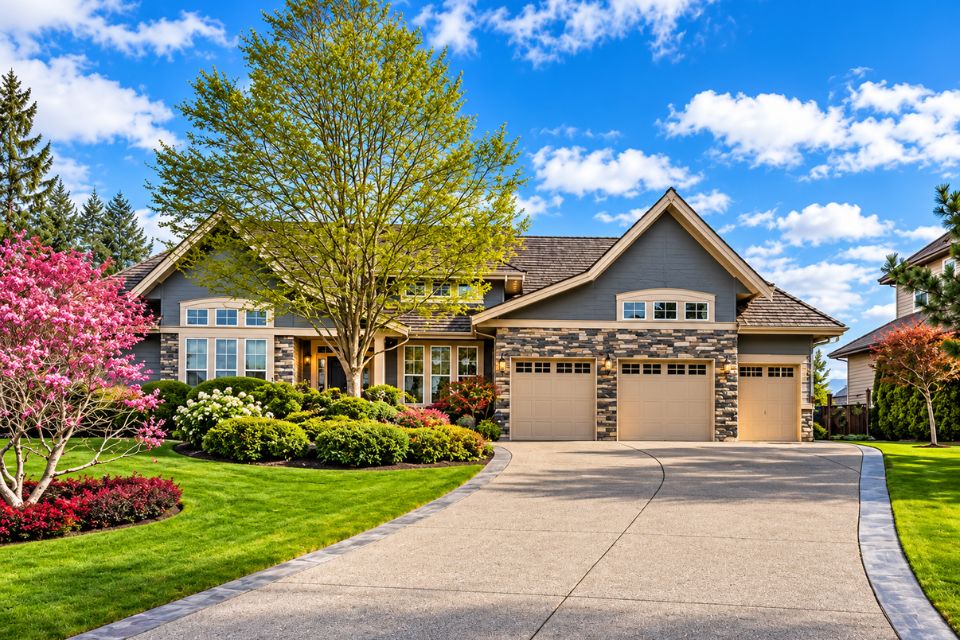
The Cape Cod real estate market in 2026 remains defined by limited inventory and steady demand, keeping prices firm while giving prepared buyers slightly more negotiating room than the pandemic-era peak. Understanding current trends helps buyers and sellers set realistic expectations for this coastal market.
Quick Answer
The Cape Cod real estate market in 2026 is a low-inventory, high-demand market with historically elevated prices. Well-priced, move-in-ready homes still sell quickly, while overpriced or dated listings sit longer. Buyers have modestly more leverage than in 2021–2022, but the structural shortage of homes keeps prices resilient.
Key Takeaways
- Inventory remains tight, supporting firm prices across most towns.
- Move-in-ready homes sell fastest; dated listings need sharper pricing.
- Buyers have modest negotiating room versus the pandemic peak.
- Mortgage rates and seasonality strongly influence buyer activity.
Inventory and pricing trends
The Cape’s permanent supply constraints — explained in why Cape Cod is so expensive — continue to underpin values in 2026. For the latest figures on median prices, days on market, and closed sales, the Cape Cod & Islands Association of REALTORS® publishes regular market reports drawn from local MLS data.
Buyer demand and competition
Demand still comes from retirees, second-home buyers, and remote workers, keeping competition healthy for quality listings. Town-level snapshots like the Orleans, MA market in 2026 and Cape Cod luxury market trends show how these forces play out locally. Well-prepared buyers who understand what determines home values can act quickly and confidently when the right home appears.
What it means for timing
Rather than waiting for a price drop that scarcity makes unlikely, most buyers benefit from strong preparation. If you’re weighing your options, read whether now is a good time to buy on Cape Cod for a framework built around your finances and timeline.
Seasonality
Listings and activity typically rise in spring and summer and quiet in winter. Buyers can find less competition off-season, while sellers often see the most traffic in peak months. Timing your search to the season can create real advantages.
How is buyer demand shifting in different Cape Cod towns?
Buyer demand is increasingly focused on “walkable luxury” and year-round functionality. Towns with robust village centers, such as Orleans and Harwich Port, see the most consistent demand. Data from the Redfin Data Center indicates that homes within a half-mile of town centers or beaches sell significantly faster than secluded inland properties.
We are also seeing a shift toward multi-generational living. Buyers prioritize properties with accessory dwelling units (ADUs) or guest cottages. This is why How Neighborhood Differences Shape Real Estate Decisions in Orleans, MA is a frequent topic; buyers aren’t just looking for a house, but a compound that serves as a long-term family legacy.
Conclusion
The 2026 market rewards preparation over waiting. For a current, town-level read and homes that fit your goals, explore Daneen Law’s Cape Cod listings and get a personalized market analysis.