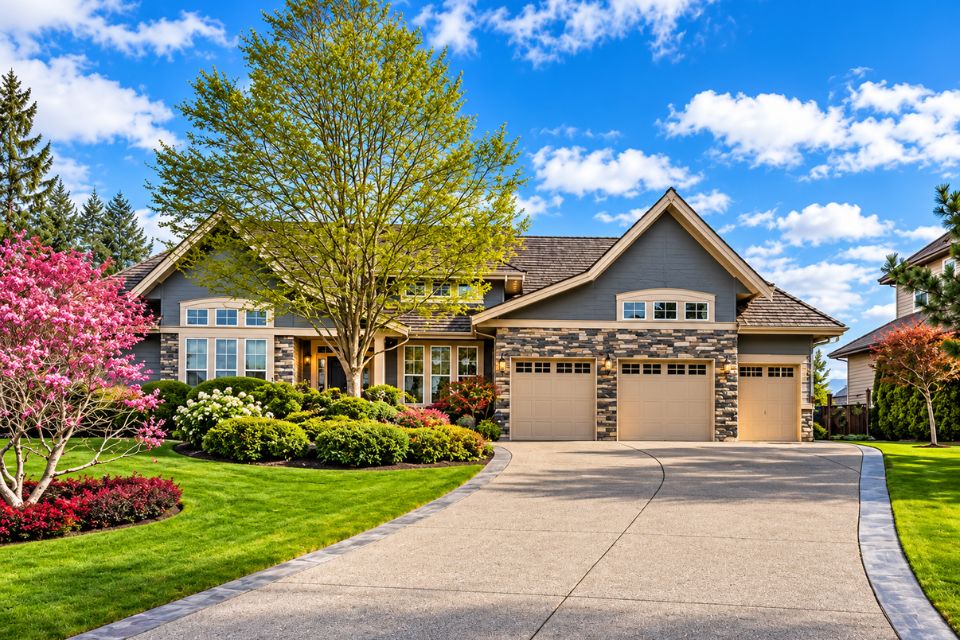
Knowing how to prepare your home for sale can help create a stronger first impression and make your property more appealing to buyers. On Cape Cod, preparation should account for both the condition of the home and the coastal environment, where weather can affect exterior surfaces and landscaping. Before listing, focus on practical improvements such as addressing visible repairs, improving curb appeal, deep-cleaning, decluttering, and preparing the property for professional photography and showings. A strategic approach can help your home feel clean, well-maintained, and ready for buyers without spending unnecessarily on major renovations.
Quick Answer
To prepare your home for sale on Cape Cod, start with exterior maintenance and curb appeal, then move indoors to clean, declutter, depersonalize, and complete noticeable repairs. Prioritize improvements that affect first impressions and buyer confidence rather than expensive renovations that may not provide a strong return.
Key Takeaways
- Improve curb appeal before buyers see the interior.
- Address visible maintenance issues and minor repairs.
- Deep-clean and declutter each room before listing.
- Use neutral, inviting presentation choices that photograph well.
- Consider staging important living spaces to help buyers visualize the property.
- Avoid major renovations unless they are appropriate for the home’s condition and market position.
Start Outside: Improve Curb Appeal
When you prepare your house for sale, start with the exterior. The outside of your home creates the first impression before a buyer walks through the front door.
On Cape Cod, coastal weather can contribute to wear on siding, trim, doors, outdoor fixtures, and other exterior surfaces. Walk around the property and look for peeling paint, damaged materials, overgrown landscaping, dirty walkways, or other issues that could make the property appear less maintained.
Simple improvements can make a meaningful difference. Consider:
- Power-washing appropriate exterior surfaces
- Touching up worn or peeling paint
- Trimming shrubs and hedges
- Removing dead plants and seasonal debris
- Adding fresh mulch where appropriate
- Cleaning windows and exterior light fixtures
- Making the front entrance inviting and well-maintained
- Clearing walkways and outdoor areas
You do not necessarily need a major landscaping project. The goal is to make the property look cared for and welcoming.
Prepare the Interior
Once the exterior is ready, focus on the inside. A clean and organized home allows buyers to concentrate on the property’s features rather than the work they may need to do after purchasing it.
Start by removing unnecessary belongings from countertops, closets, shelves, and floors. Decluttering before selling can make rooms appear more spacious and easier to navigate.
Depersonalizing can also help. Remove excessive family photographs, highly personal decorations, and items that may distract from the home’s architecture and layout.
Complete Small Repairs
Small problems can influence how buyers perceive the overall condition of a property. Before listing, look for issues such as:
- Leaky faucets
- Sticking doors or windows
- Damaged caulking
- Loose handles and fixtures
- Scuffed walls
- Burned-out light bulbs
- Damaged screens
- Minor trim or paint issues
These repairs may be relatively simple, but addressing them can help the home feel better maintained.
If you’re considering improvements beyond basic repairs, review what adds the most value to a home before selling to help prioritize projects that may have the greatest impact.
Use Paint and Presentation Strategically
Fresh paint can help give rooms a cleaner and more updated appearance. If walls have strong colors, visible marks, or significant wear, consider whether repainting would make the space more appealing to a wider range of buyers.
Neutral and understated colors can also photograph well and provide buyers with a simple backdrop for imagining their own furnishings.
However, repainting every surface is not always necessary. Focus on areas where paint will make the greatest visual difference.
Avoid Over-Improving Before Selling
One of the most important parts of learning how to prepare your home for sale is knowing what not to do.
Major renovations can be expensive, time-consuming, and difficult to recover fully through the sale price. A seller may spend heavily on a kitchen, bathroom, or other upgrade without seeing a proportional increase in the final offer.
Instead, consider the home’s current condition, price range, neighborhood, and likely buyer expectations before committing to a major project.
In many cases, targeted repairs, cleaning, paint, landscaping, and presentation can make more sense than a complete remodel.
Prepare Your Home for Showings
After repairs and cleaning are complete, prepare the home for photographs, showings, and open houses.
Keep rooms organized and remove unnecessary furniture that makes spaces feel crowded. Open curtains and blinds where appropriate to maximize natural light. Make sure important features are easy to see rather than hidden behind furniture or personal belongings.
Thoughtful staging can also help buyers understand how they could use each room. For more guidance, see our home staging on Cape Cod guide.
If you’re preparing for the entire selling process, our selling a house on Cape Cod guide provides a broader roadmap from preparation through the transaction.
Focus on High-ROI Updates
Spend where it counts. Exterior updates, minor kitchen refreshes, and small repairs typically return more than expensive full remodels—our guide to what adds the most value before selling breaks down the returns. In coastal homes, addressing salt-air wear and maintenance also reassures buyers.
Handle obvious repairs before listing to prevent surprises during the buyer’s inspection.
Conclusion
To prepare your home for sale, focus on the improvements buyers are most likely to notice, including curb appeal, cleanliness, minor repairs, and overall presentation. Cape Cod sellers should also consider the effects of the coastal environment and the expectations of local buyers when deciding which projects to prioritize. Rather than over-investing in major renovations, concentrate on targeted updates that make the property feel welcoming and well-maintained. For a personalized room-by-room preparation strategy, book a consultation with Daneen Law.