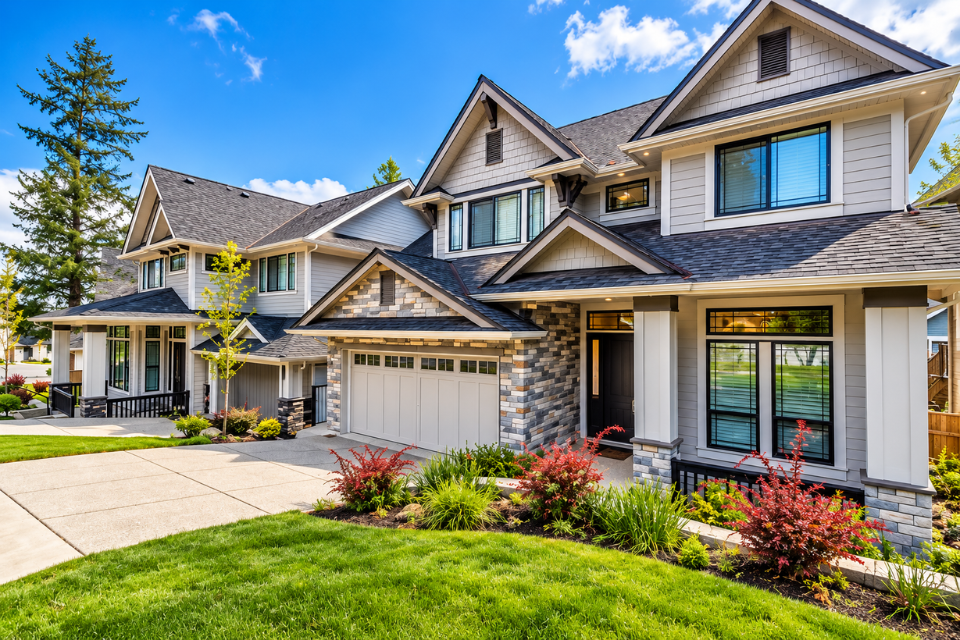
As we move through 2026, the Cape Cod real estate market has transitioned into a “turnkey-centric” era. The frantic bidding wars of previous years have been replaced by a discerning buyer pool prioritizing move-in-ready perfection over potential projects. While the broader national market fluctuates, the Cape remains a resilient outlier due to finite land and its status as a premier lifestyle destination.
Current data suggests a market that is normalizing but remains historically expensive. Buyers are carefully evaluating “lifestyle yield”—the immediate utility and enjoyment a property provides—rather than speculative growth.
What current trends are influencing home prices across Cape Cod?
The most significant driver of 2026 home prices is the “Turnkey Revolution.” Move-in-ready estates command a 15–20% premium as buyers avoid the high costs and long permitting timelines associated with renovations. According to Zillow Research, this has led to a market divergence: while updated homes see firm pricing, “fixer-uppers” sit on the market longer, often requiring price adjustments.
Another key trend is the surge in cash transactions. In high-end enclaves like Chatham, approximately 60% of luxury sales are cash-based, acting as a shield against mortgage rate volatility. For many, Why Pricing Strategy Matters More in Chatham, MA Than in Other Towns is evident here, as correctly pricing a luxury asset requires understanding these non-financed buyer behaviors.
How is buyer demand shifting in different Cape Cod towns?
Buyer demand is increasingly focused on “walkable luxury” and year-round functionality. Towns with robust village centers, such as Orleans and Harwich Port, see the most consistent demand. Data from the Redfin Data Center indicates that homes within a half-mile of town centers or beaches sell significantly faster than secluded inland properties.
We are also seeing a shift toward multi-generational living. Buyers prioritize properties with accessory dwelling units (ADUs) or guest cottages. This is why How Neighborhood Differences Shape Real Estate Decisions in Orleans, MA is a frequent topic; buyers aren’t just looking for a house, but a compound that serves as a long-term family legacy.
Why are inventory levels impacting real estate decisions in Cape Cod?
Inventory remains the structural “bottleneck” of the market. In early 2026, supply hovered near 3.8 months, an improvement from record lows but still well below a “balanced” market. This deficit is permanent; with 40% of Barnstable County land protected by conservation, the supply of new homes cannot meet global demand.
This scarcity forces buyers to be decisive. According to Statista housing reports, the lack of inventory has kept the median sales price in Barnstable County high, with February 2026 figures sitting near $699,500. This environment rewards prepared buyers who have their local team ready to move at a moment’s notice.